

I lived in Pakistan till the age of 5. The internet didn’t exist and we didn’t have access to the outside world as children do now. All I knew was Pakistan, and even at 5-years-old with zero awareness of the world, I knew that place felt…off.
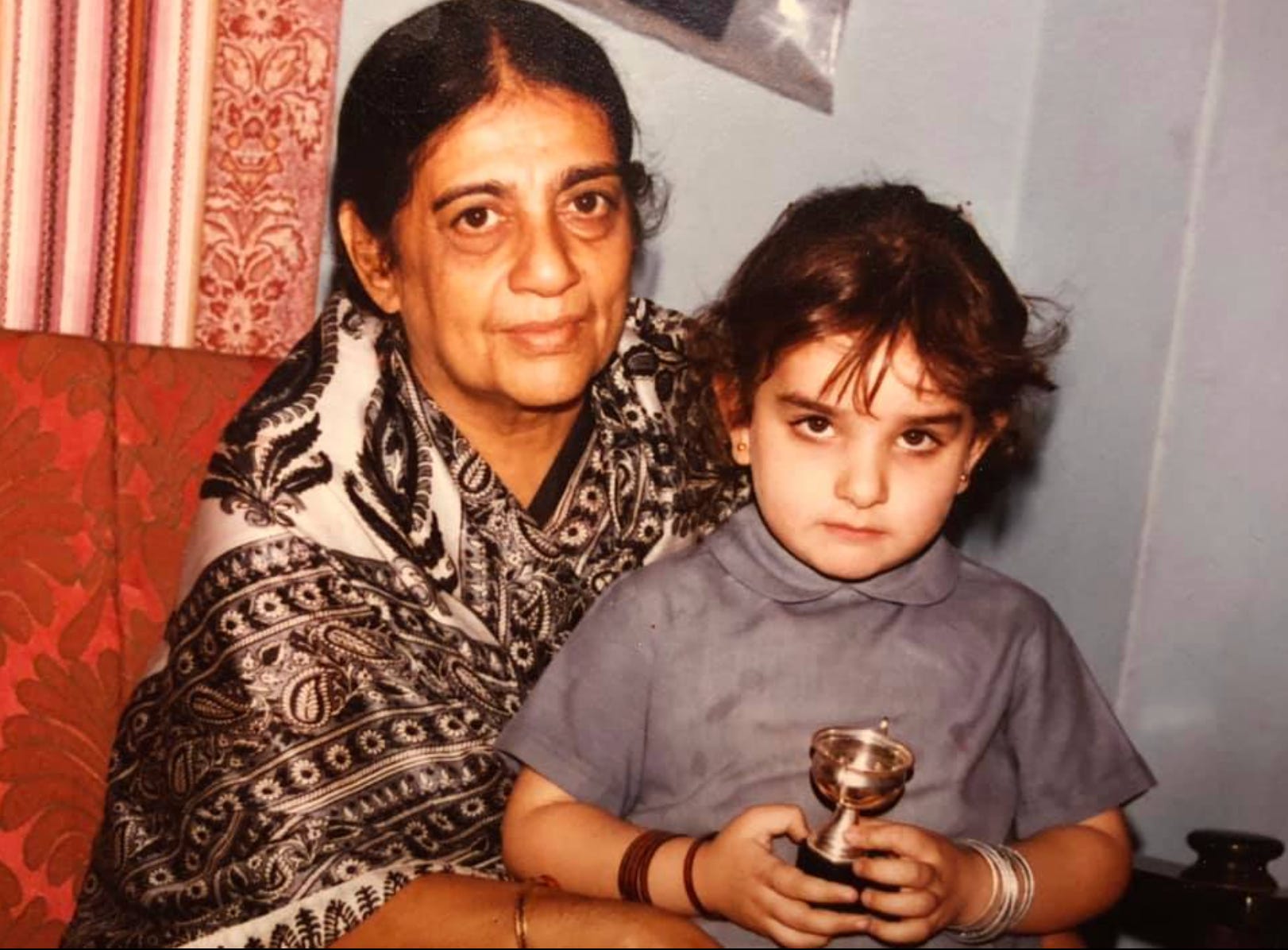
As an adult in my sovereignty, there’s a lot I can now appreciate about my motherland. But as a child, all I saw was economic disparity, social snobbery, elitism, servitude, concrete walls, stagnant education, and far too many rules spoken or unspoken - many of which I would break daily at school, much to the resignation of my kind-eyed school principal who didn’t know what to do with a covertly rebellious star student. There’s not a single photo of me in Pakistan as a young child where I’m happy.
In 1986, we moved to Germany. Germany had its own challenges initially, including challenges with inclusion of minority populations. But we made an effort, and so did some of the locals, then more of the locals. Within a few months, we had formed friendships that have lasted through the decades. Those friendships were absolutely transformative for me. They were the foundation for the belonging I would advocate for later in life. The experience of being immersed in radically different worlds — even between my inner world and the outer world — would also become the foundation for empathy.
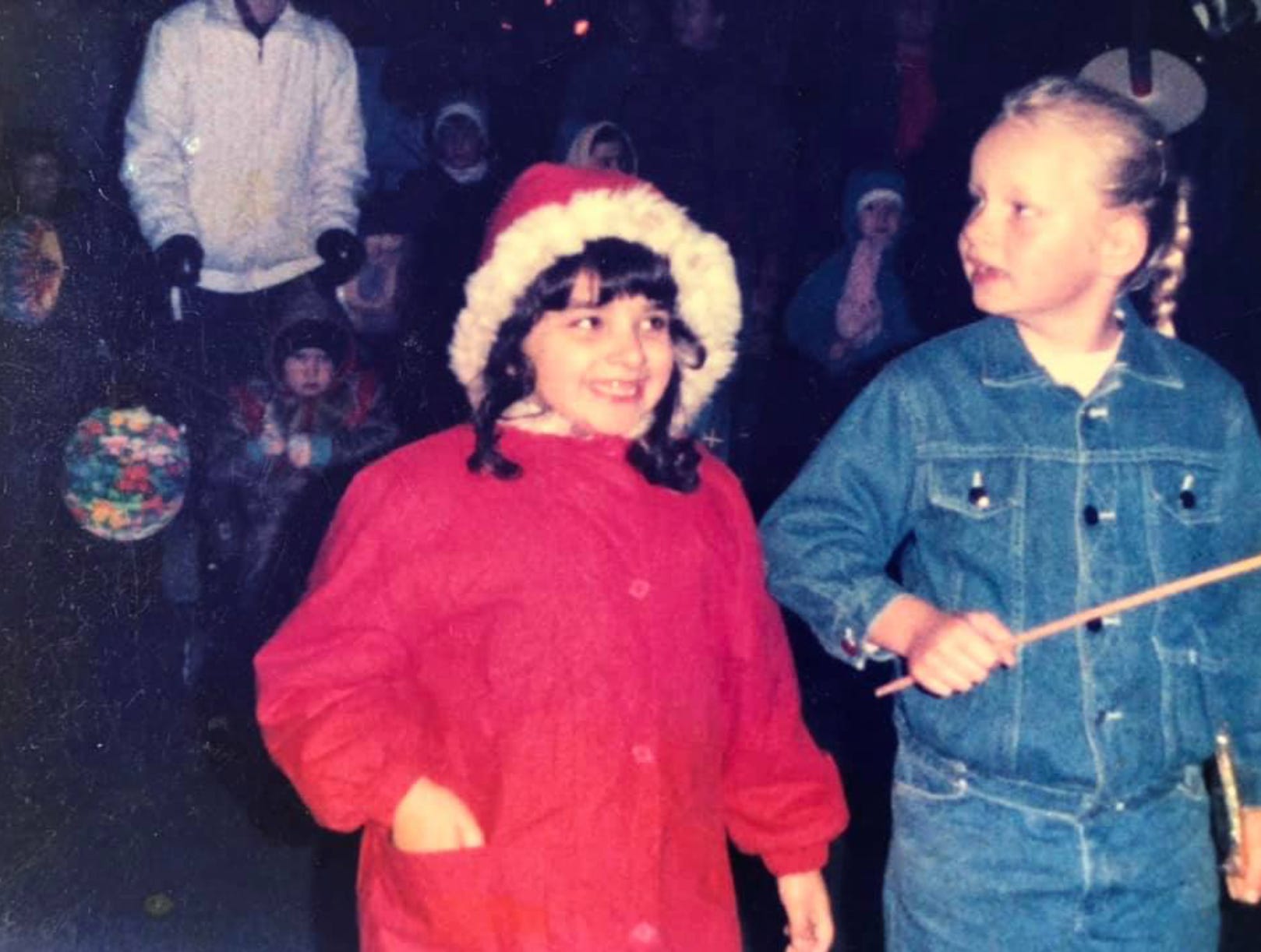
[Above: In Germany, 1986 or 1987]
Recently, I noticed a young girl on a playground who looked ethnic, Pashtun maybe, who didn’t quite fit in. She wore the weight of her world on her shoulders. I learned that was true. As the only daughter of Afghan immigrants new-ish to this country, the responsibility of her household was primarily on her, especially as the family was expecting another child soon.
Her name is Sarah and she quickly became best friends with my niece. Sarah, as her namesake in the film A Little Princess, is just as gracious and kind. She’s 10, the same age as my son Reagan, but so much older in so many ways. It is a gift to see her friendship with my niece blossom, to know that the cycle of beautiful friendships that shape us continues. To know that this will likely shape her in the way that I was shaped as a young girl.
To pass it forward and honor their friendship, Reagan and I are gifting both the girls identical drawing tablets, with little notes tucked inspiring them to imagine and dream. It warms me to think of both of them sitting there with access to the same toys getting to play and create together in a state of equality.
As I’ve said before, the question isn’t “Why should we let immigrants and refugees in.” The better question to ask is how do we nurture community so that, if they wish at any point, they may use their life experience to become advocates for dignity.
The many experiences I had as a child, moving from continent to continent (which you can read about here), is what shed the skin of inherited identity which often becomes a fossilizing element. Young children are adaptive and resilient, able to integrate new ideas with greater ease. It’s why I advocate for not abandoning children of war, and why authentic friendship-based inclusion is the key to authentic cultural integration rooted in basic human need — the need to belong — instead of demonstrative inclusion such as clothing, speech, flag-waving or other actions that often tend to still be rooted in identity politics.