

The “Dark Alliance” set a precedent for mixing current events with jihad (a holy war). When Nazi Germany rose to power, they looked again to weaponizing the Islamic faith and its followers, thinking they wouldn’t just have one country as an ally, but an entire religion.
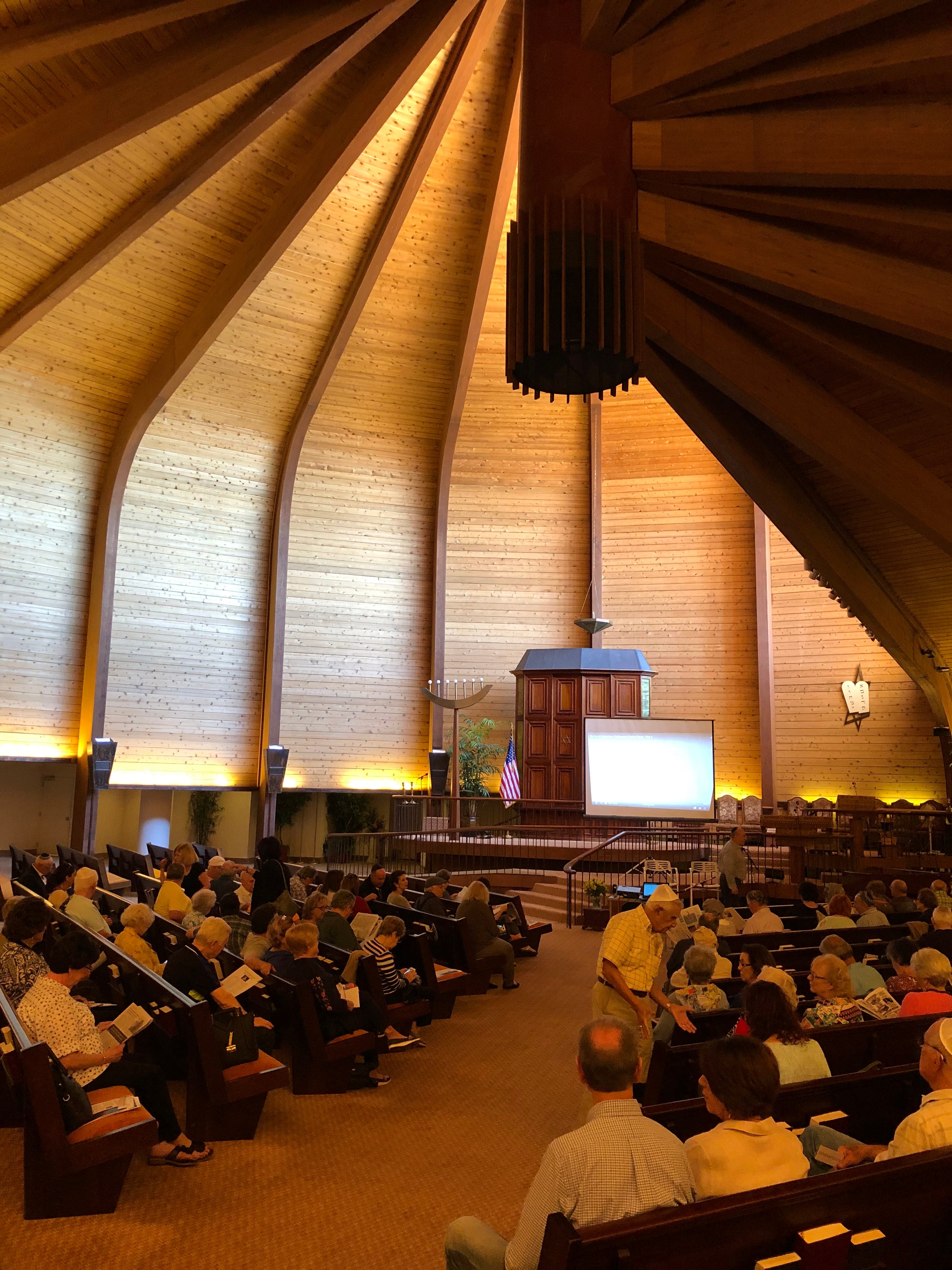
The often unexamined history of Nazi Germany and its alliances adds more depth and context to Part 1 and Part 2 of this short series that examines the Israel/Palestine crisis and current hostile sentiments toward the Jewish people and/or the Jewish state. I initially gave a talk on this subject pre-Covid at synagogue in West Palm Beach, Florida (above).
In an hour-long talk, I covered some of the key components to how this alliance was operated. The most salient takeaways for your understanding of the current climate is the following. (Please note that this is not an attack on the faith nor does it in any way suggest that these teachings are Islam. Islamism is the political exploitation of the Islamic faith, a practice that continues today. In the last century during one of the worst cruelties this world has known, this is what Islamism looked like).
Nazi Germany Saw an Opportunity in Islam
1944: Heinrich Himmler (one of the architects of terror during the Nazi regime) called Islam, “a practical and attractive religion for soldiers.”
Himmler felt that the language of martyrdom and reward is a language soldiers could understand, adding that “Christianity doted on weakness and suffering…Islam extolled strength.”
Significant Nazi PR campaign were launched to attract and recruit Muslim regions. Million copies of Nazi pamphlets dropped over North Africa. These propaganda campaigns tapped into end-times prophecy of Dajjal (the false messiah or the anti-Christ) and Jewish treachery tropes.
Envisioning Weaponizing Populations and Theology During WWI
Helmuth von Moltke, chief of German general staff planned to “Awaken the fanaticism of Islam.”
Max Von Oppenheim, German diplomat and orientalist described Islam as “One of our most important weapons.”
Oppenheim wanted to spark a revolt from India to Morocco that Germany could use with the slant painting “Russia, Britain, and France as Muslim oppressors and Germans as liberators.”
On November 11, 1914, the highest religious authority of the Ottoman caliphate (Sheikh al-Islam Urguplu Hayri) issued call for worldwide jihad against Russia, Britain, and France. However, Oppenheim’s vision didn’t come into fruition due to other regional events that gave the Allies an opportunity for a counter-narrative beyond faith and into more current affairs
Oppenheim’s vision didn’t quite take. Britain capitalized on the Arab uprising against a crumbling Ottoman Empire, which inspired Arabs more and offered a focused counter-narrative versus an abstract holy war against a large target group.
The “Dark Alliance” set a precedent for mixing current events with jihad (a holy war). When Nazi Germany rose to power, they looked again to weaponizing the Islamic faith and its followers, thinking they wouldn’t just have one country as an ally, but an entire religion.
Hitler’s attempt to ally with the Muslim world is still the most far-reaching Western attempt to use Islam to win a war. There was, however, Muslim concern over inevitable German empire building. Nazis circumvented this problem by cultivating an anti-American sentiment, a deflection strategy still used today by other groups.
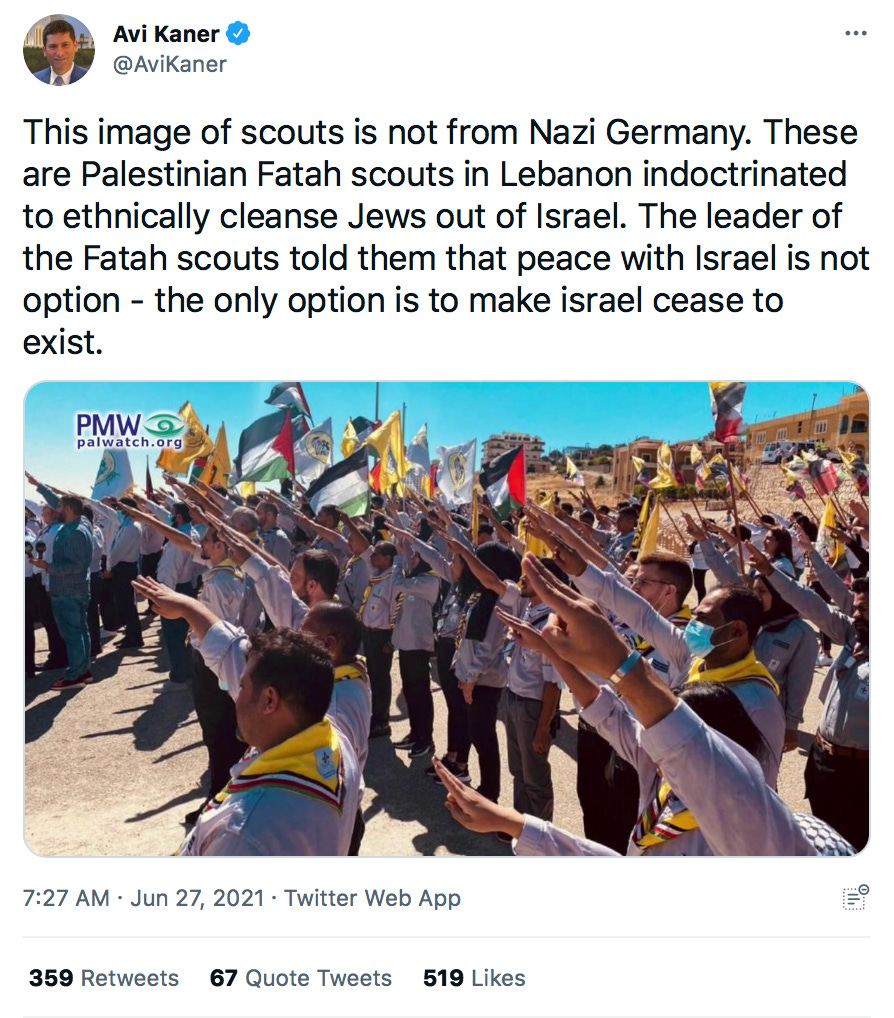
Also still in play today are the remnants of influence Nazis had over Muslim minds, distorting faith with strains of one of the world’s most hateful ideologies.
There is so much to cover on this topic alone, including integration discussions from Part 1 and Part 2 of this series. If you’d like to have me on as a guest for your next event (remote or in person) to share these findings with your audience, please contact me at belong@shireenqudosi.com.